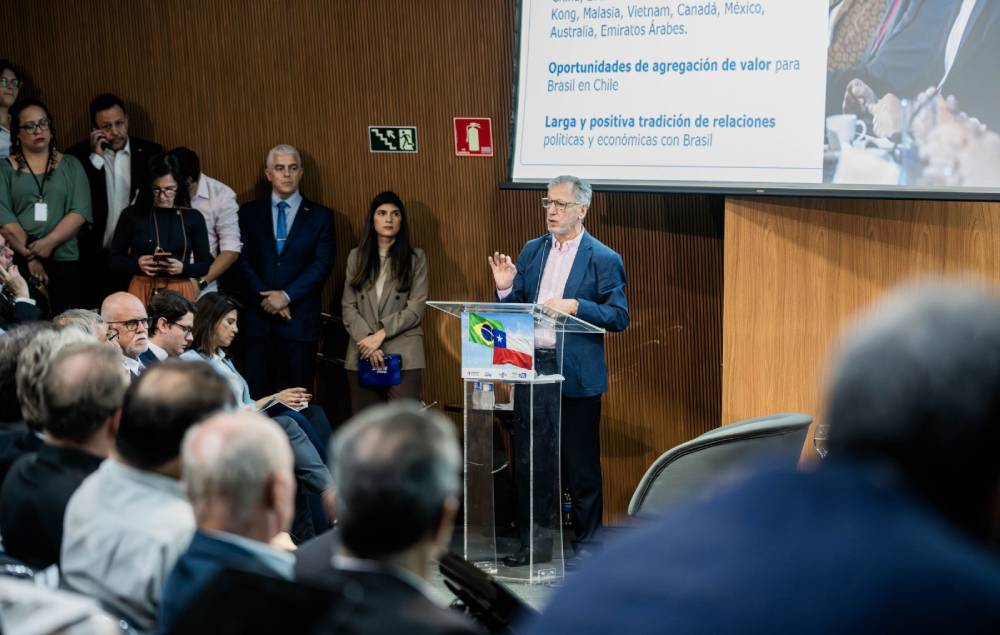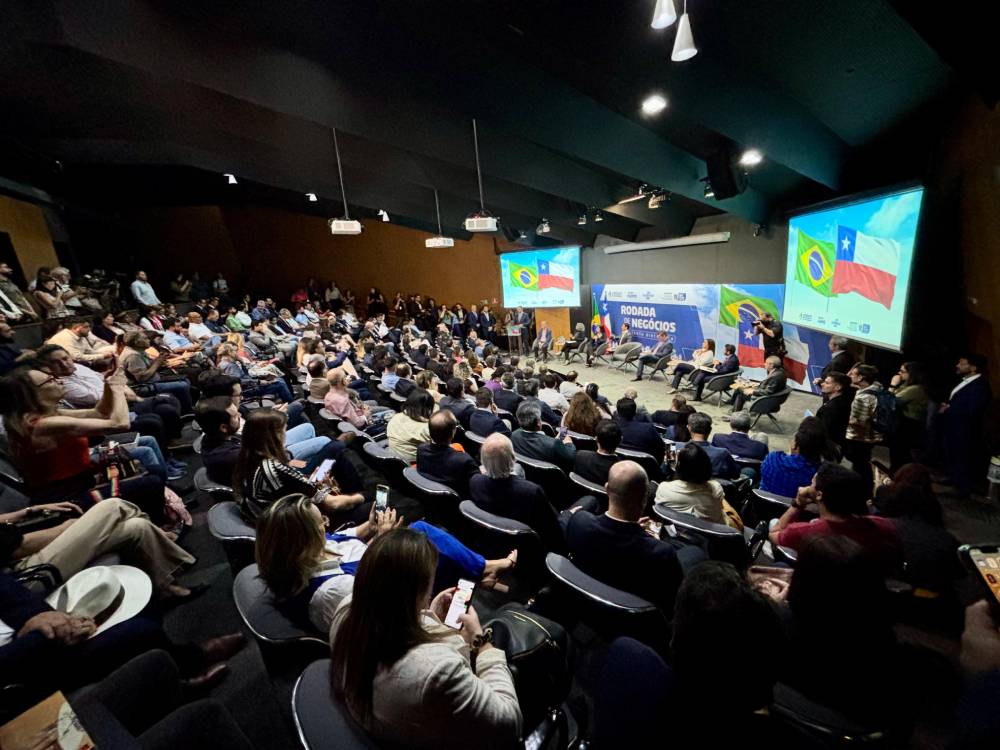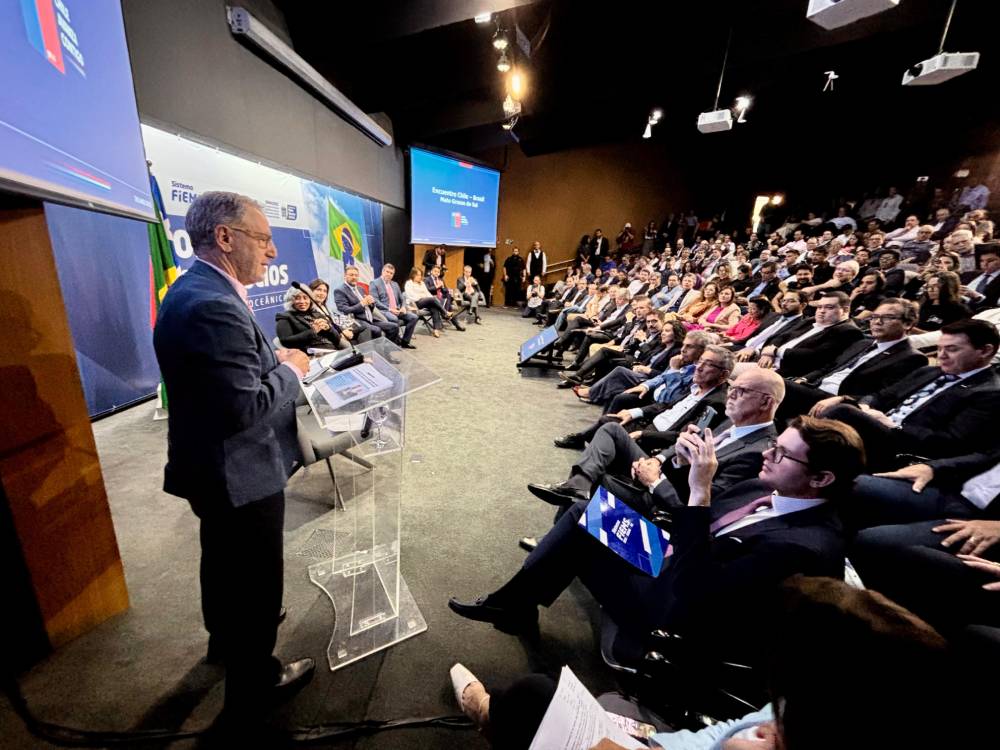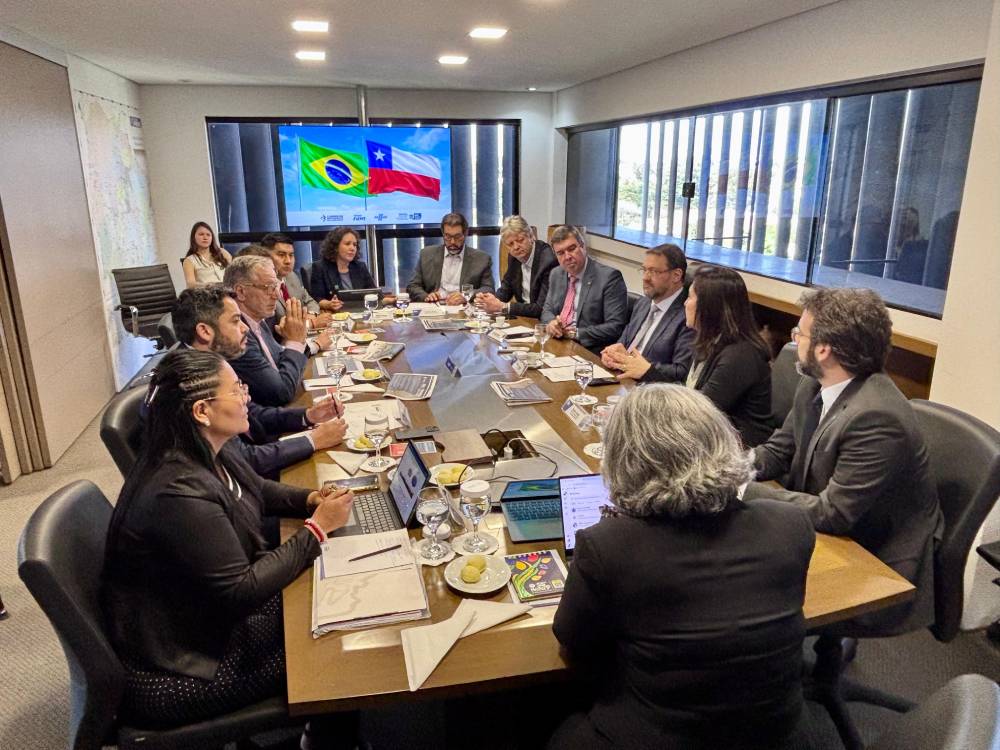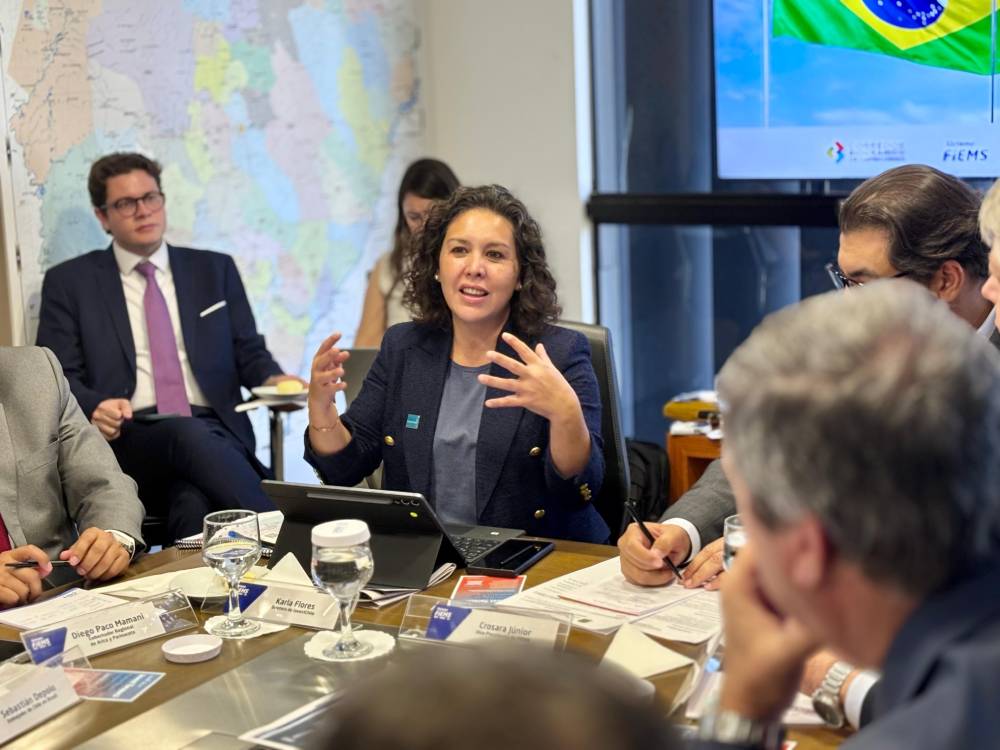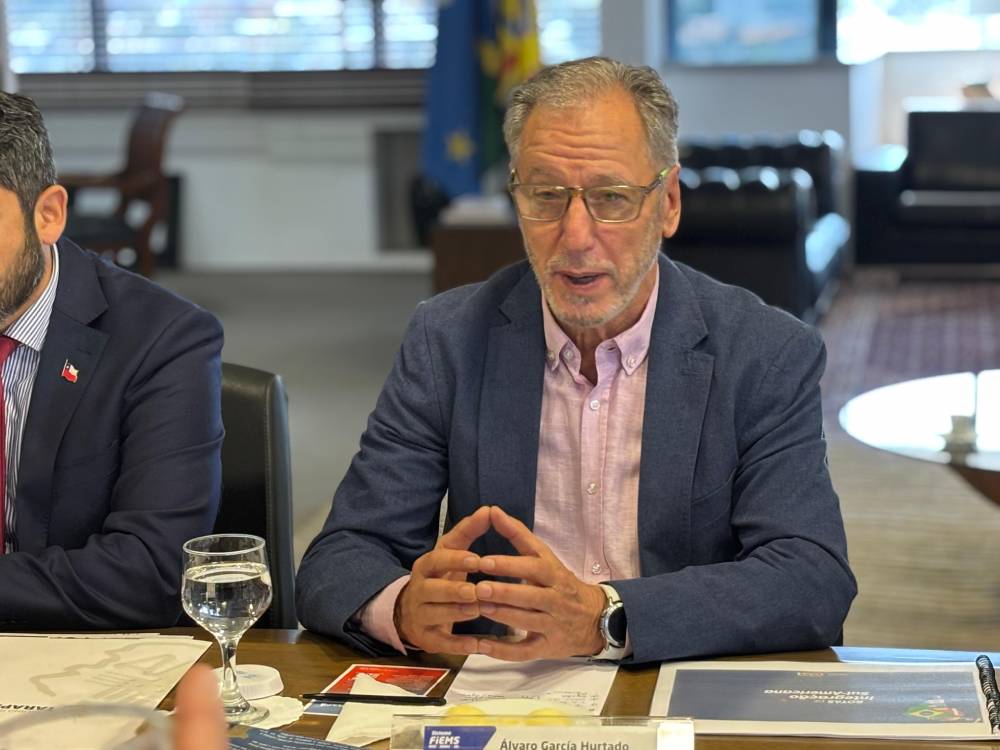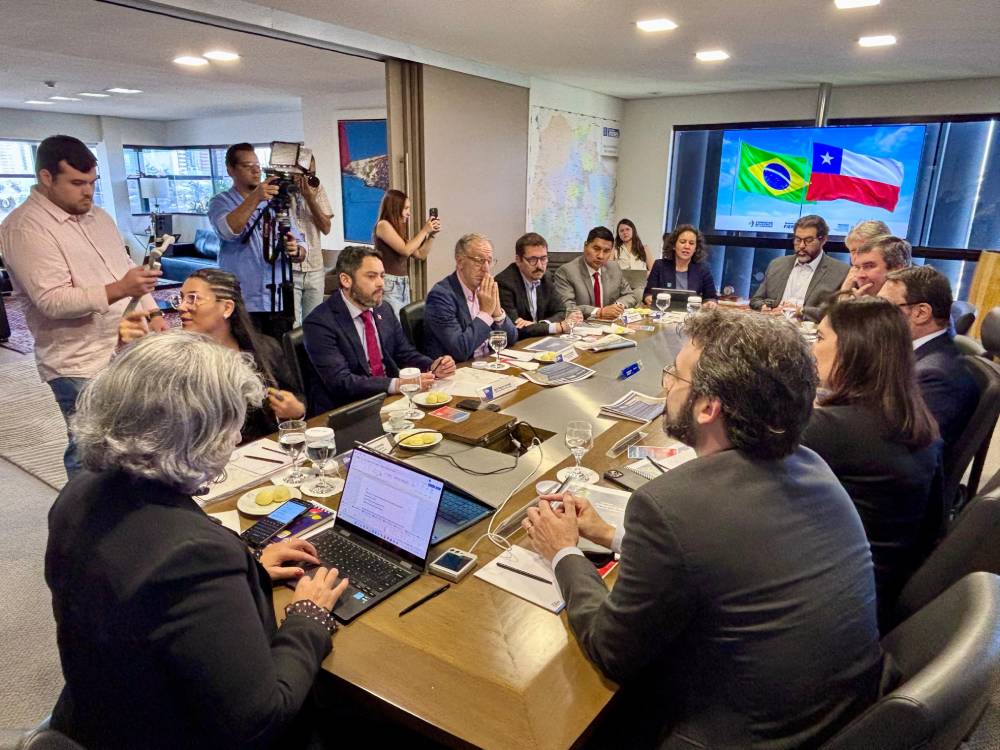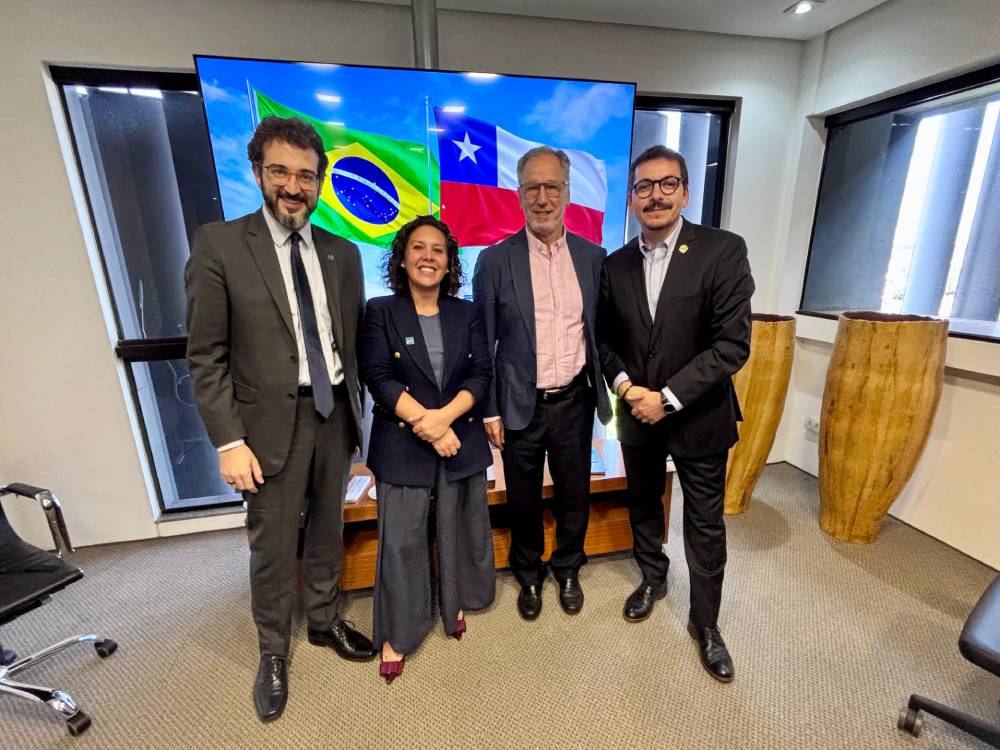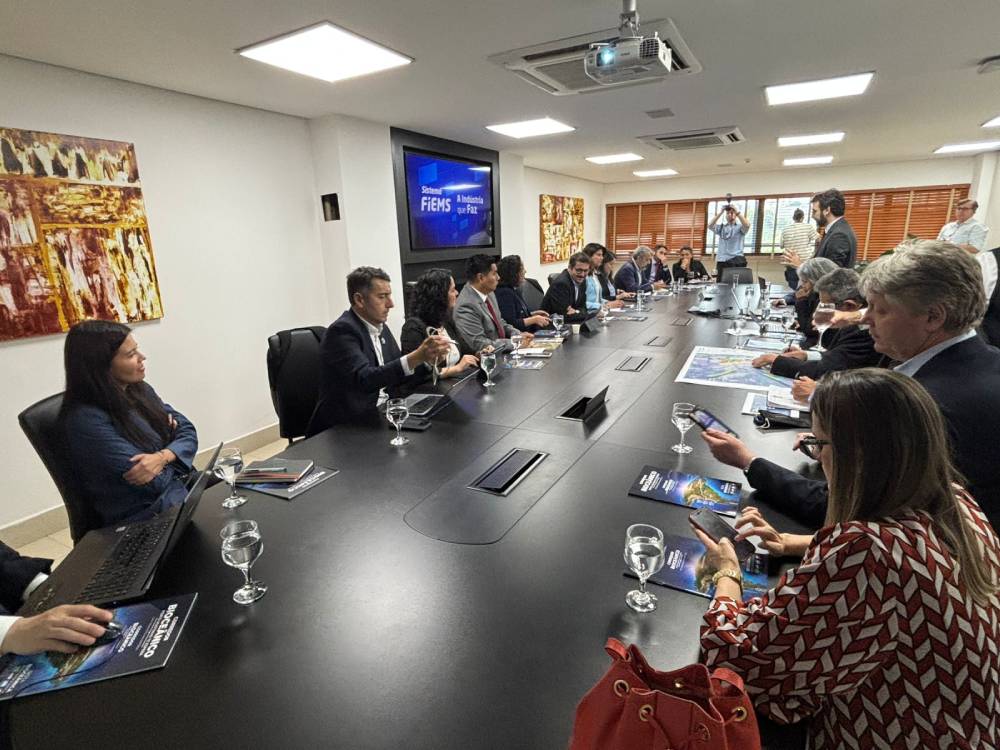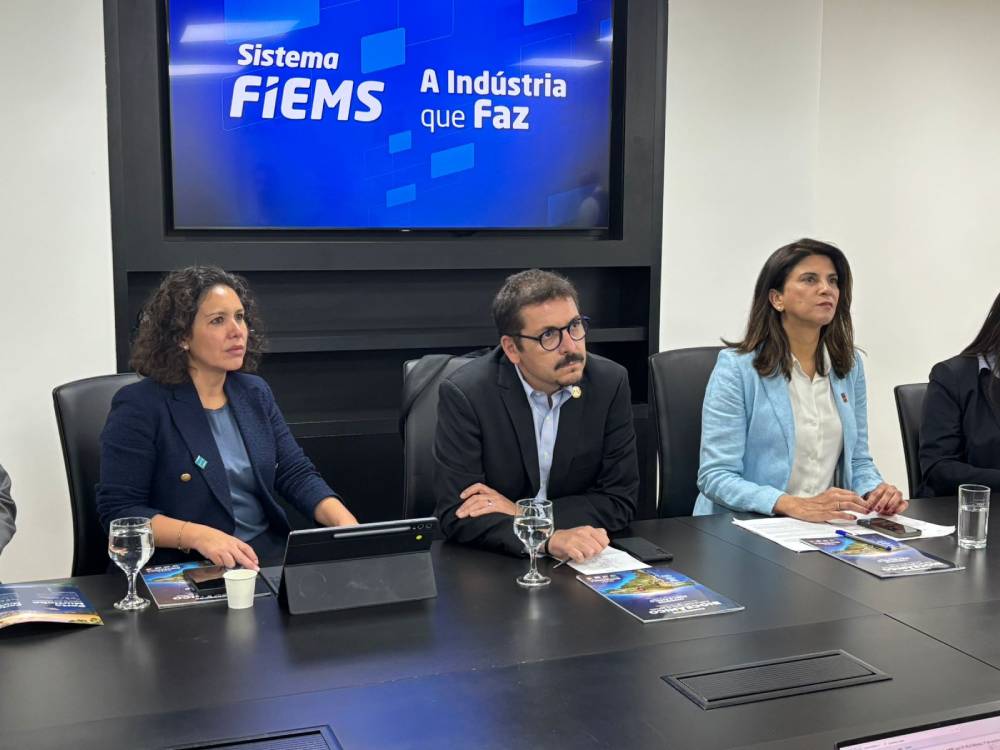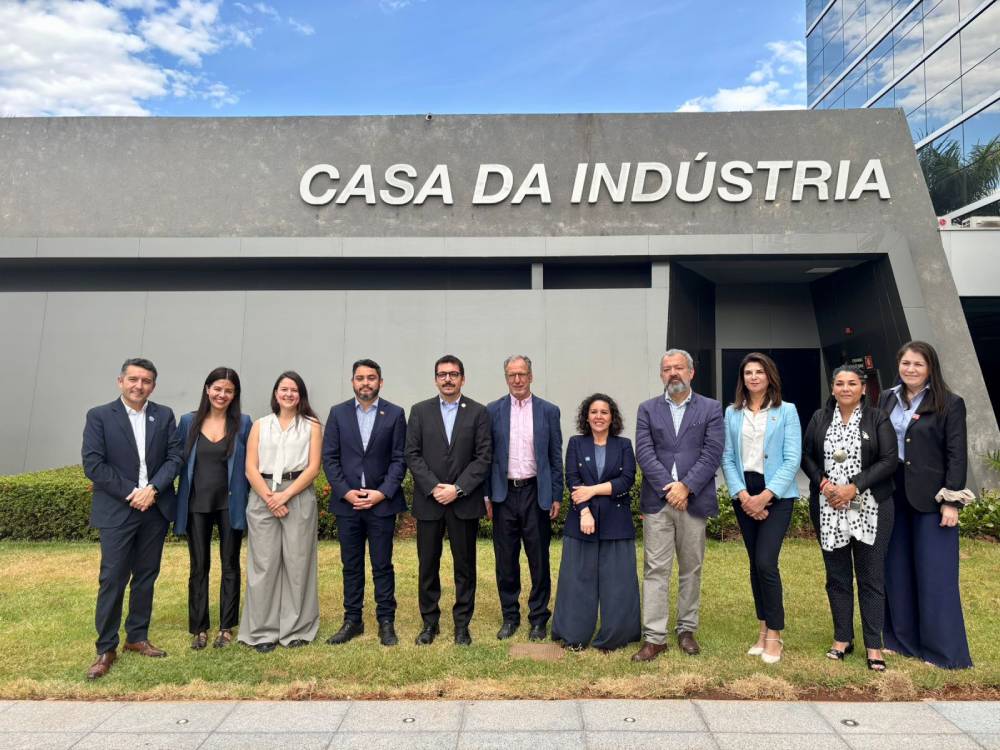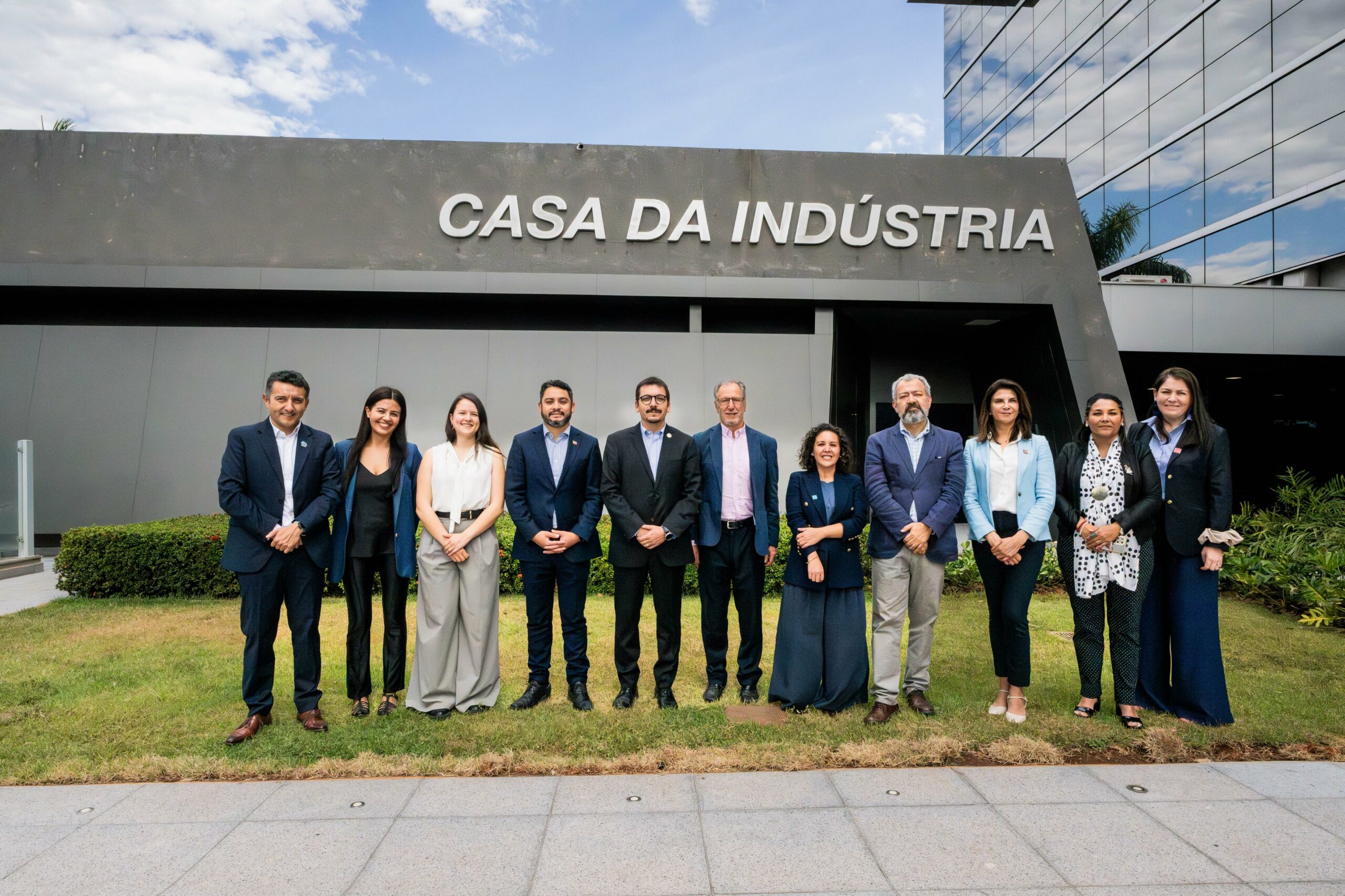
InvestChile Director Karla Flores was part of the delegation led by Chile’s Economy, Development and Tourism Minister Álvaro García Hurtado that participated yesterday in the “Rodada de Negocios – Rota Bioceânica” event held in the Brazilian city of Campo Grande. It was co-organized by the Federação das Indústrias do Estado de Mato Grosso do Sul (Federation of Industries of the State of Mato Grosso do Sul, FIEMS) to strengthen trade relations and identify strategic opportunities linked to the Bioceanic Road Corridor.
The event falls within the commitments made by Chile during President Gabriel Boric’s state visit to Brazil last April. It was attended by Brazil’s Minister of Planning and Budget, Simone Tebet; the governors of Mato Grosso do Sul, Eduardo Riedel, Arica and Parinacota, Diego Paco Mamani, and Tarapacá, José Miguel Carvajal; the acting director of ProChile, Paulina Valderrama; and the Chilean ambassador to Brazil, Sebastián Depolo.
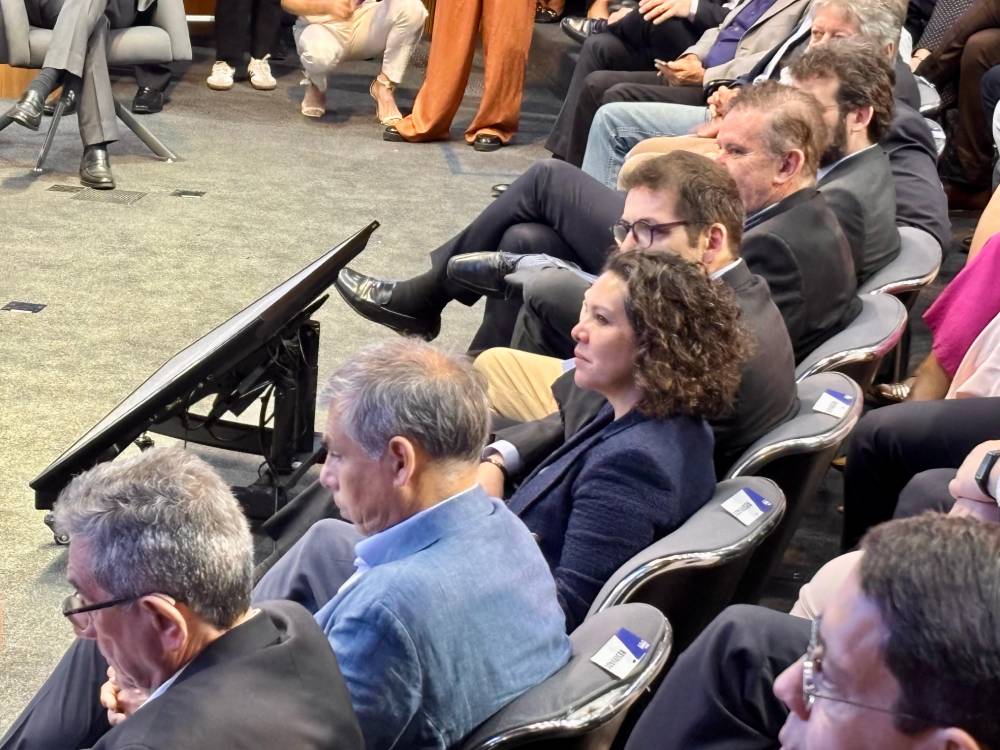
Following an opening ceremony attended by the region’s leading public and private sector stakeholders, the conference included a business matchmaking event attended by more than 30 Chilean and 50 Brazilian companies from sectors such as services, manufacturing, trade, tourism, energy, construction and mining. There was also a bilateral meeting held between Minister Tebet alongside local authorities, Minister García, the director of InvestChile, Ambassador Depolo and the governor of Tarapacá, in which specific issues were discussed to accelerate integration between the two countries.
Minister García commented, “we have improved border crossings and routes, and the dream of the Bioceanic Corridor is now a reality. Both governments are committed to this initiative. We know that both Brazil and Chile will benefit greatly, and we hope this business matchmaking event will generate new opportunities for our people. Investment is the best way to create quality jobs, and good jobs mean a better quality of life for the population.”
Director Flores also commented, “meetings like this are important for aligning objectives and establishing concrete milestones for joint work. That is why the presence of our national and regional authorities is essential, as is the commitment and drive of private stakeholders, who can push for and support the changes necessary to accelerate integration, with a view to translating this into more and better opportunities for bilateral trade and investment, for the people of both nations. We must create the conditions and start exploring and evaluating opportunities now, so we can be ready for the Bioceanic Corridor to begin operating and make the most of this infrastructure. That is why Ambassador Depolo and I have committed to a work agenda that will continue in the coming months.”
Meanwhile, Minister Tebet emphasized that “the importance of this route for Brazil, Mato Grosso do Sul, Chile and all of South America is enormous. This represents new opportunities and thousands of jobs, increasing the GDP of countries and boosting the business, service and commercial sectors.”
In the afternoon, the director of InvestChile, along with Ambassador Depolo, the regional governors, the commercial manager of InvestChile’s Investment Promotion Division, Alejandra Silva, and the acting director of ProChile participated in an institutional working table with their Brazilian counterparts. During the meeting, they addressed pending tasks related to the Bioceanic Road Corridor. This highway will extend approximately 2,400 kilometers, connecting the Brazilian state of Mato Grosso do Sul with the ports of northern Chile (Antofagasta, Mejillones and Iquique), passing through Paraguay and northwestern Argentina. It will reduce transit time by up to ten days compared to traditional routes, such as the one through the Panama Canal.
The route will also boost investment opportunities in Chile for Brazilian companies. By establishing part of their operations in Chile, they will be able to take advantage of our country’s network of 35 trade agreements and reduced-tariff exports to 65 economies throughout the world (88% of global GDP).
In this regard, the governor of Tarapacá, José Miguel Carvajal, emphasized, “the Bioceanic Road Corridor is one of the most important integration projects in Latin America, and one of the most strategic initiatives for Chile and our region. We are talking about a real connection between the Atlantic and the Pacific that opens up logistical, commercial and productive opportunities for our companies and for regional jobs.”
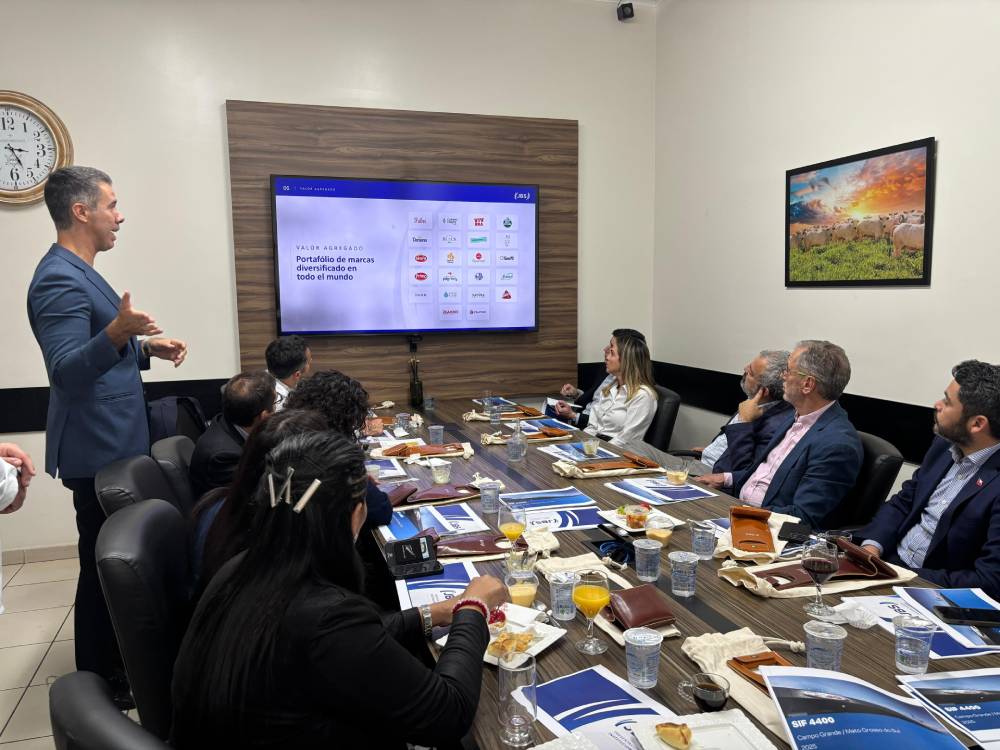
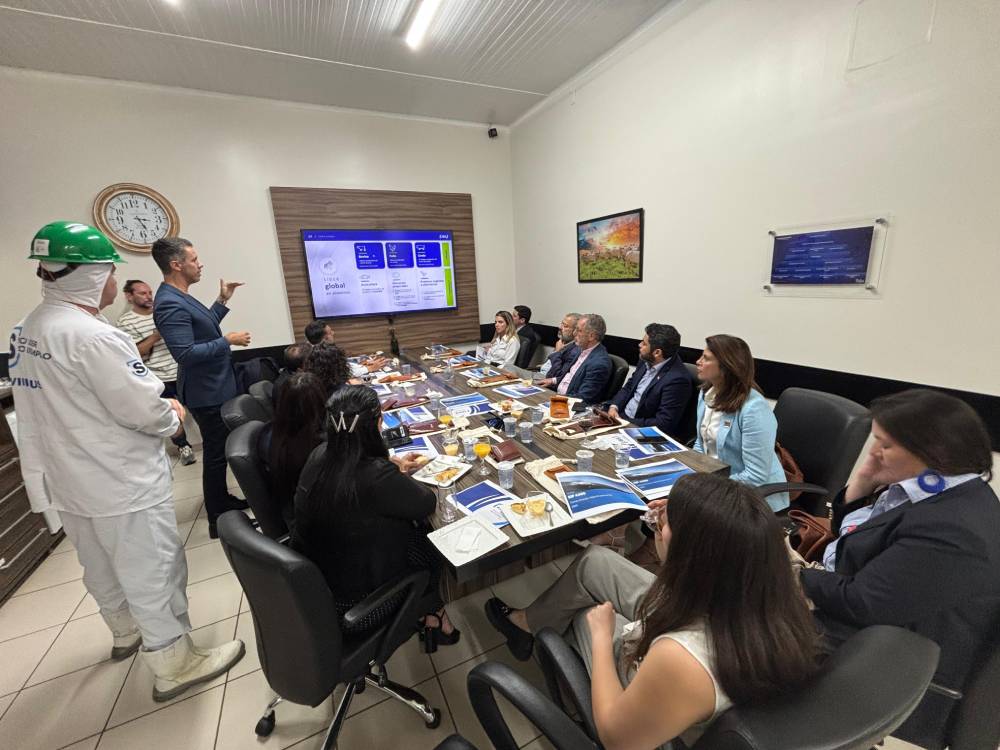
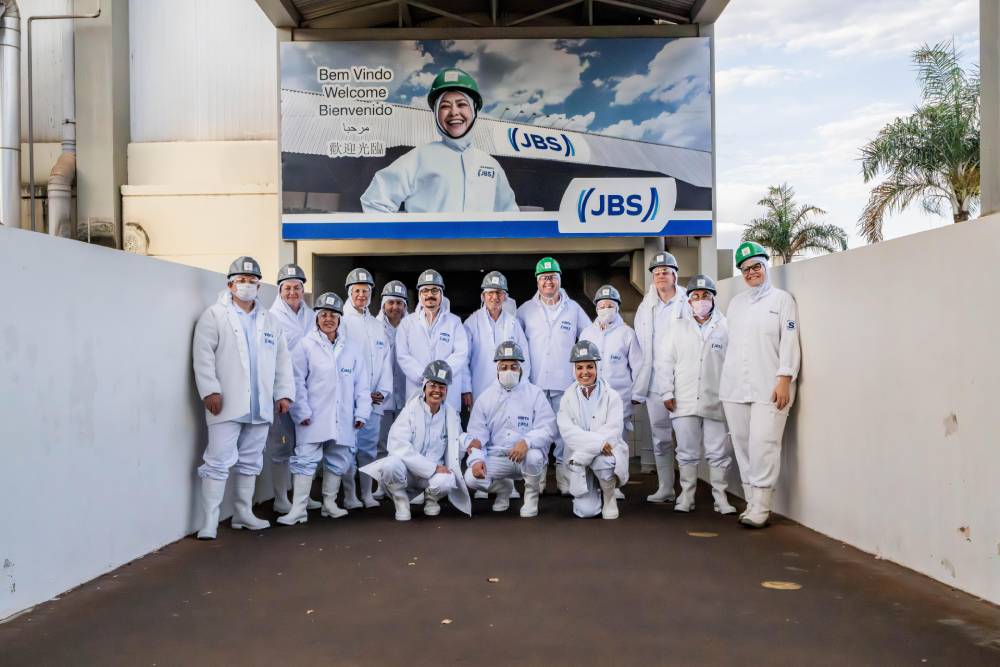
The day concluded with a visit by the delegation to the JBS plant, the world’s largest meat producer, which has the most extensive facilities on the continent in Campo Grande. Its operations there alone employ more than 2,300 people and produce more than 440 tons of meat and 136 tons of hamburgers daily.
At the site, they met with Márcio Rodrigues, executive manager of Market Access at JBS, and his team to discuss the scope of the company’s operations and projections. They then toured the facilities with Vinícius Capistrano, the plant’s industrial manager.
The company, which has the support of InvestChile, already exports part of its production to Chile and is currently exploring business opportunities in our country.
InvestChile is supporting 24 projects from Brazil, worth nearly US$2 billion, making it the sixth most important country in terms of funding in the agency’s portfolio, and the most important in the region.
Photo gallery